
মজুদ আছে
ফুলের গাছ
অ্যাডেনিয়াম ওবেসাম ডাবল ব্লুম
Adenium obesum
অত্যাশ্চর্য কলম করা মরুভূমির গোলাপ গভীর লাল বহু-পাপড়ির পুষ্প এবং ভাস্কর্যের কডেক্স।
শুরু
₹280
Karobi copalensis
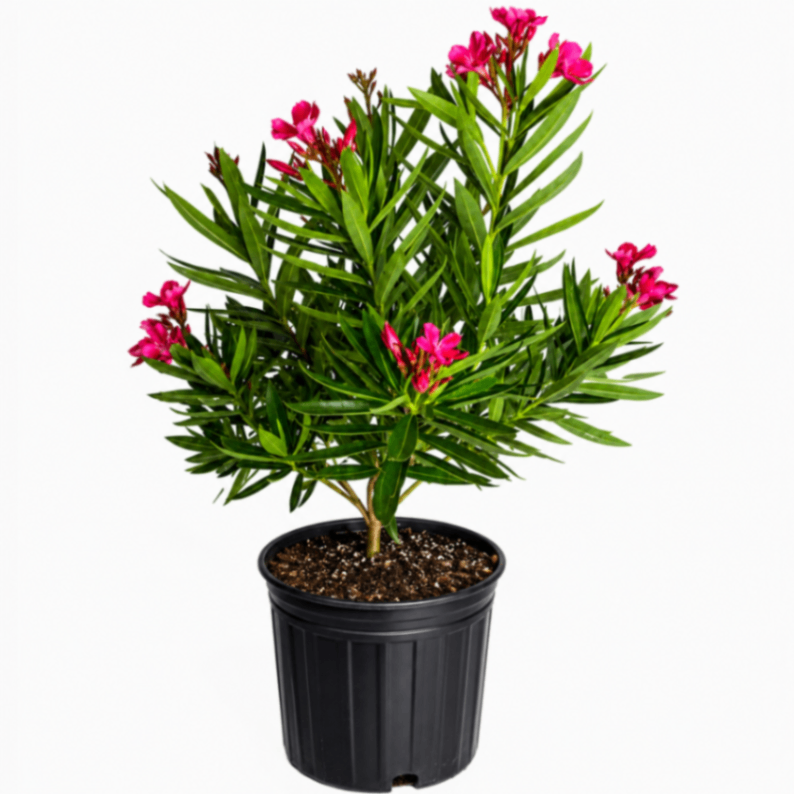
মনোরম করোবি কপাল গাছে সূক্ষ্ম সাদা রেসমেস রয়েছে যা বর্ষাকালে ফোটে। এর সমৃদ্ধ, সুগন্ধযুক্ত কাঠ এর প্রাকৃতিক রজন (কপাল) এর জন্য অত্যন্ত মূল্যবান। গ্রীষ্মমন্ডলীয় ল্যান্ডস্কেপ অ্যাকসেন্ট এবং টেকসই বাগান নকশা জন্য পারফেক্ট.
Pricing
₹51onwards
### Botanical Overview of *Karobi copalensis* *Karobi copalensis*, commonly known as the Indian Copal Tree, is a magnificent specimen tree native to the humid coastal regions of India. It is highly valued not only for its striking ornamental flowers but also for the valuable resin it produces—copal, which has historical and commercial uses. Botanically, this species belongs to the family *Fabaceae* (Leguminosae). The tree exhibits a semi-deciduous habit, maintaining a dense canopy of deep green foliage year-round. Its leaves are typically compound, featuring an elliptical shape with prominent pinnate venation, providing excellent textural contrast against its pale blooms. The ornamental value of *K. copalensis* is derived from its spectacular flowering cycle. The flowers emerge in clustered racemes, presenting a delicate, creamy white to pale yellow hue that signals the peak monsoon season. Furthermore, the subsequent development of small, oblong pods adds structure and visual interest throughout the dry months. In nursery cultivation, *Karobi copalensis* thrives when given ample space and consistent moisture. Its robust nature allows it to adapt well to various tropical climates, making it an excellent choice for both large-scale landscaping projects and curated private gardens.
**☀️ Seasonal Care Guide: *Karobi copalensis*** * **Active Growing Season (Monsoon/Spring):** This is the period of peak energy. Maintain high humidity and consistent moisture levels. Fertilize every 4 weeks with a balanced, slow-release fertilizer to support robust flowering and leaf growth. * **Summer Transition:** As temperatures stabilize but rainfall decreases, slightly reduce watering frequency while maintaining deep saturation when watering. Monitor for signs of mineral buildup in the soil. * **Dry Season/Dormancy (Late Autumn/Winter):** The tree naturally slows its metabolic rate. Drastically cut back on nitrogen feeding and water only when the top 4 inches are completely dry. This period requires minimal intervention, allowing the root system to rest and build energy for the next cycle. * **Lighting Adjustments:** While it prefers full sun, during intense heatwaves or prolonged drought, providing partial afternoon shade can prevent leaf scorch while still allowing sufficient light for blooming.
**🍎 Nutritional Calendar for *Karobi copalensis*** * **Spring/Monsoon Bloom Cycle (High Demand):** Apply a balanced fertilizer with an emphasis on Phosphorus (P) to support flowering. Use a ratio like 1:2:3 (N-P-K, where K is Potassium). Supplement with liquid seaweed extract monthly for micronutrients. * **Mid-Summer Growth:** Switch to a slightly higher Nitrogen (N) ratio (e.g., 2:1:2) to promote vigorous leaf and stem growth. Incorporate aged compost or worm castings into the topsoil every 6 weeks. * **Autumn/Pre-Dormancy:** Reduce feeding intensity. Use a low-nitrogen, high-potassium feed (e.g., 1:0:3) to harden tissues and prepare for dormancy. Avoid heavy feeding when growth naturally slows down.
**🛡️ Integrated Pest Management (IPM): *Karobi copalensis*** * **Target Pests & Pathogens:** * **Scale Insects:** Found clustered on new shoots and leaf axils. Cause visible yellowing and stunted growth. * **Spider Mites:** Thrive in dry, dusty conditions, causing fine webbing and stippling (tiny white dots) on the leaves. * **Fungal Leaf Spot:** Occurs during periods of high humidity and poor air circulation, appearing as small, dark necrotic spots on foliage. * **Preventative Measures:** Maintain excellent airflow around the canopy. Prune out crowded inner branches to improve air circulation year-round. * **Organic Treatments:** * **Neem Oil Spray:** Apply a diluted neem oil solution (1–2 tsp per gallon) every 3 weeks as a preventative measure against scale and mites, especially in humid conditions. * **Insecticidal Soap:** Use pure potassium salt soap spray to physically wash away soft-bodied pests like aphids. Test on one leaf first.
**🪴 Planting Instructions: *Karobi copalensis*** * **Pot Selection:** Choose a container with a minimum diameter of 40cm and a depth of at least 60cm to accommodate the extensive root system. Ensure the pot material is breathable (terracotta or glazed ceramic). * **Drainage Layer:** Place a coarse layer of gravel, broken pottery shards, or expanded shale at the base. This prevents soil washout and ensures optimal drainage. * **Specific Potting Soil Recipe:** Mix the following components for superior root health: * 2 parts Coarse Sand (river sand) * 1 part Aged Compost * 1 part Leaf Mold/Peat Moss Blend * **Root Ball Depth & Placement:** Dig a hole slightly wider than the current root ball. Place the tree so that the top of the original root flare is level with the surrounding soil surface. Do not bury the trunk. * **Initial Soaking:** After planting, perform a thorough initial soak (deep watering) until water drains freely and consistently from the bottom drainage holes.
**🌿 Harvesting & Propagation: *Karobi copalensis*** * **Resin (Copal) Harvest:** The primary harvest is the resin itself, which permeates the bark and developing pods. When the small, oblong fruit pods mature (November–March), they can be carefully harvested. Gently scoring or making shallow incisions on the pod surface allows the sticky copal resin to weep out, ready for collection. * **Canopy Maintenance:** Instead of harvesting leaves, focus on *structural pruning*. Use loppers to remove any branches that are crossing or growing into the center of the canopy, ensuring optimal light penetration and air flow. This maintains the tree's architectural integrity. * **Propagation (Cuttings):** While seeds can be used, cuttings from semi-hardwood stems are preferred for faster establishment. Take 10–15 cm sections during the active growing season, rooting them in a highly moist, sterile mix of perlite and peat moss.
**🌿 Companion Planting Guide (Tropical/Shade Tolerance)** * **Heliconia spp.:** Thrives in similar high humidity, partial shade, and rich soil conditions. Its dramatic foliage contrasts beautifully with Karobi's delicate blooms. * **Dipladenia grandiflora:** Shares the need for consistent moisture and deep, well-draining tropical loam. Provides complementary structural height. * **Calathea spp.:** Excellent understory companions that appreciate the filtered light beneath the canopy. Their patterned foliage adds ground-level interest without competing with the main specimen's structure. * **Ginger Lilies (*Hedychium spp.*):** Tolerates partial shade and moist soil, adding a layer of fragrant color near the base of the tree.
Similar plants and category companions recommended for Karobi.
Adenium obesum
অত্যাশ্চর্য কলম করা মরুভূমির গোলাপ গভীর লাল বহু-পাপড়ির পুষ্প এবং ভাস্কর্যের কডেক্স।
₹280

Hibiscus rosa-sinensis
বড় ডাবল-পাপড়ি কমলা হিবিস্কাস - গ্রীষ্মমন্ডলীয় বাগানের জন্য অবিচ্ছিন্ন ব্লুমার।
₹120
Bougainvillea glabra
হার্ডি ক্যাসকেডিং গোলাপী বোগেনভিলিয়া – খিলান, দেয়াল এবং পাত্রের জন্য উপযুক্ত।
₹160
We would
সৌন্দর্য: আকর্ষণীয় পাতার রঙ এবং আকর্ষণীয় গঠনের কারণে এটি একটি অত্যন্ত শোভাময় উদ্ভিদ। ব্যবহার: বাড়ির বাগান, বারান্দা এবং ল্যান্ডস্কেপ সজ্জার জন্য আদর্শ।
₹51
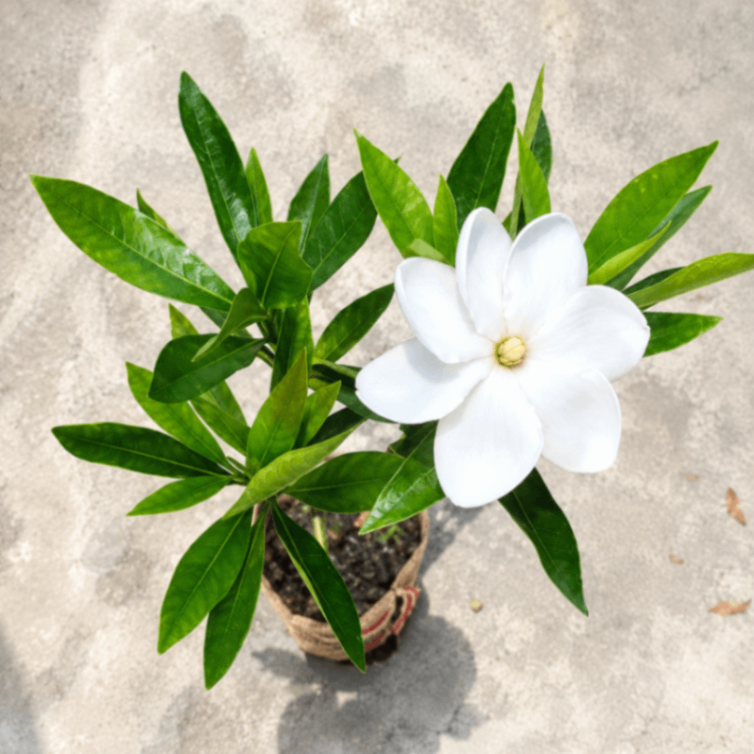
Gardenia jasminoides
সৌন্দর্য: দুধের সাদা ফুল এবং মোহনীয় সুবাস সহ একটি অনন্য শোভাময় উদ্ভিদ। ইউটিলিটি: বাড়ির বাগান, বারান্দা এবং প্রবেশপথের সৌন্দর্য বৃদ্ধির জন্য আদর্শ।
₹51
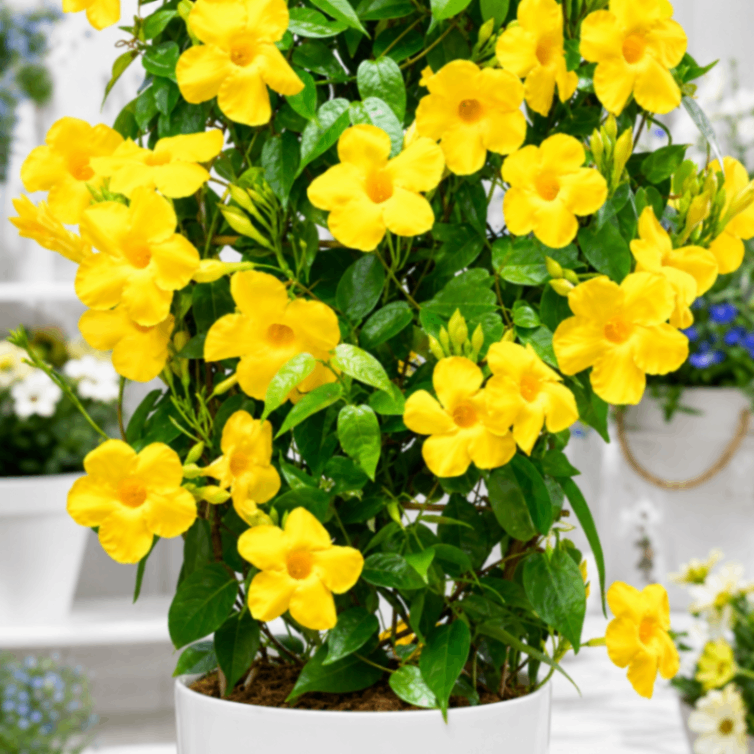
Make your
সৌন্দর্য: উজ্জ্বল হলুদ ফুলের মায়াবী সৌন্দর্য যে কোনো বাগানে প্রাণবন্ত ও আকর্ষণীয় পরিবেশ নিয়ে আসে। ব্যবহার: একটি লতানো উদ্ভিদ বারান্দা, বাগান এবং trellises সাজানোর জন্য আদর্শ।
₹51
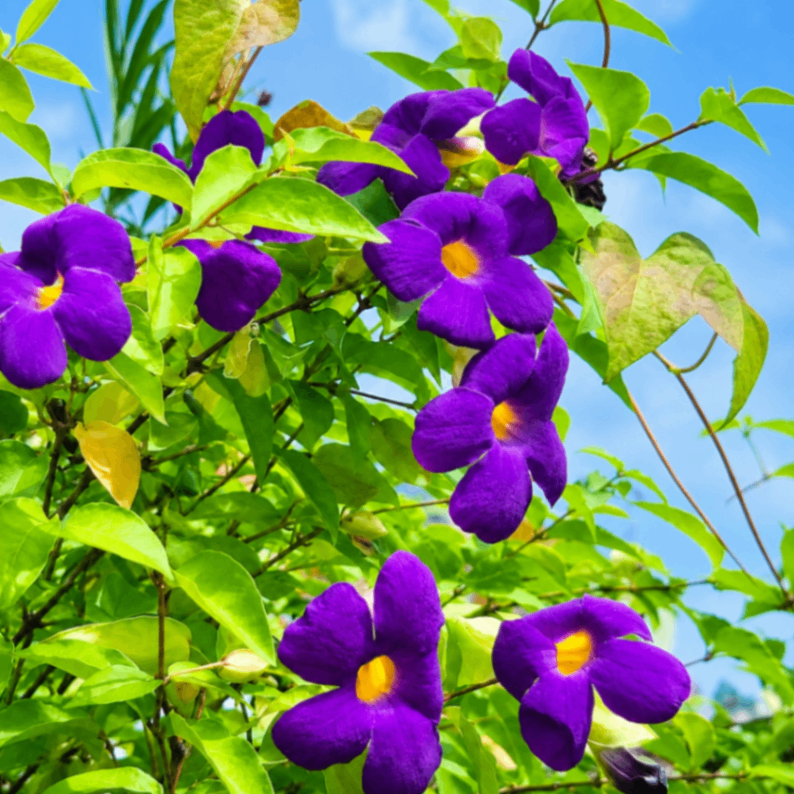
Nil Ghonta
সৌন্দর্য: বেল আকৃতির নীল ফুলে পূর্ণ, যা বাগানে একটি কমনীয় এবং কোমল সৌন্দর্য নিয়ে আসে। ব্যবহার: বাগান, টেরেস এবং ল্যান্ডস্কেপ সজ্জার জন্য খুব দরকারী।
₹51
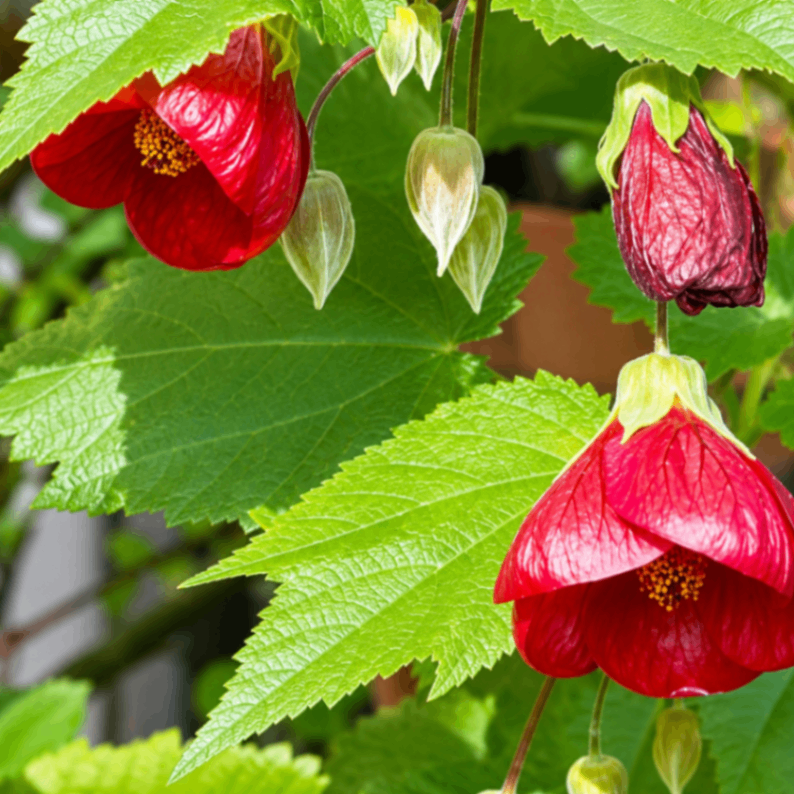
Abutilon spp.
সৌন্দর্য: বেলের মতো ঝুলন্ত রঙিন ফুল গাছটিকে খুব আকর্ষণীয় এবং আলংকারিক করে তোলে। ব্যবহার: বাগান, ব্যালকনি এবং টবে চাষের জন্য উপযুক্ত একটি শোভাময় উদ্ভিদ।
₹51